



How To Paint Exteriors Using Our Multi-Surface Paints
When it comes to exterior projects, it can be difficult knowing the right steps to take to ensure you get your desired result. From unpredictable weather to choosing the right materials, outdoor painting comes with its own set of challenges.
Here are our top tips to help you get the most out of next exterior based project.
 . Window Frame and Shutters in Rain JB.03
1. Preparation
Preparation is very important when working outdoors. Make sure all surfaces are clean, dry, and free from debris. A quick wash and light sanding (if needed) will help the Multi-Surface paint adhere properly and create a smooth, even finish. Skipping this step can lead to peeling or uneven coverage.
2. Primer & Finish
Primer is your foundation for a long-lasting finish. If you are painting over a dark colour, bare material (such as wood or metal), or surface with stains or repairs, using the right primer will improve adhesion, enhance colour coverage, and prevent issues like peeling or bleed through.
Additionally, choosing the right finish is critical to your exterior project. For exterior use, finishes like Satin or Eggshell are popular choices are they offer a subtle sheen while being more resistant t moisture and easier to clean.
Here we recommend which finish to use for which surface:
EGGSHELL (15% SHEEN)
Eggshell is ideal for surfaces like fencing, gates and garden structures.
SATIN (40% SHEEN)
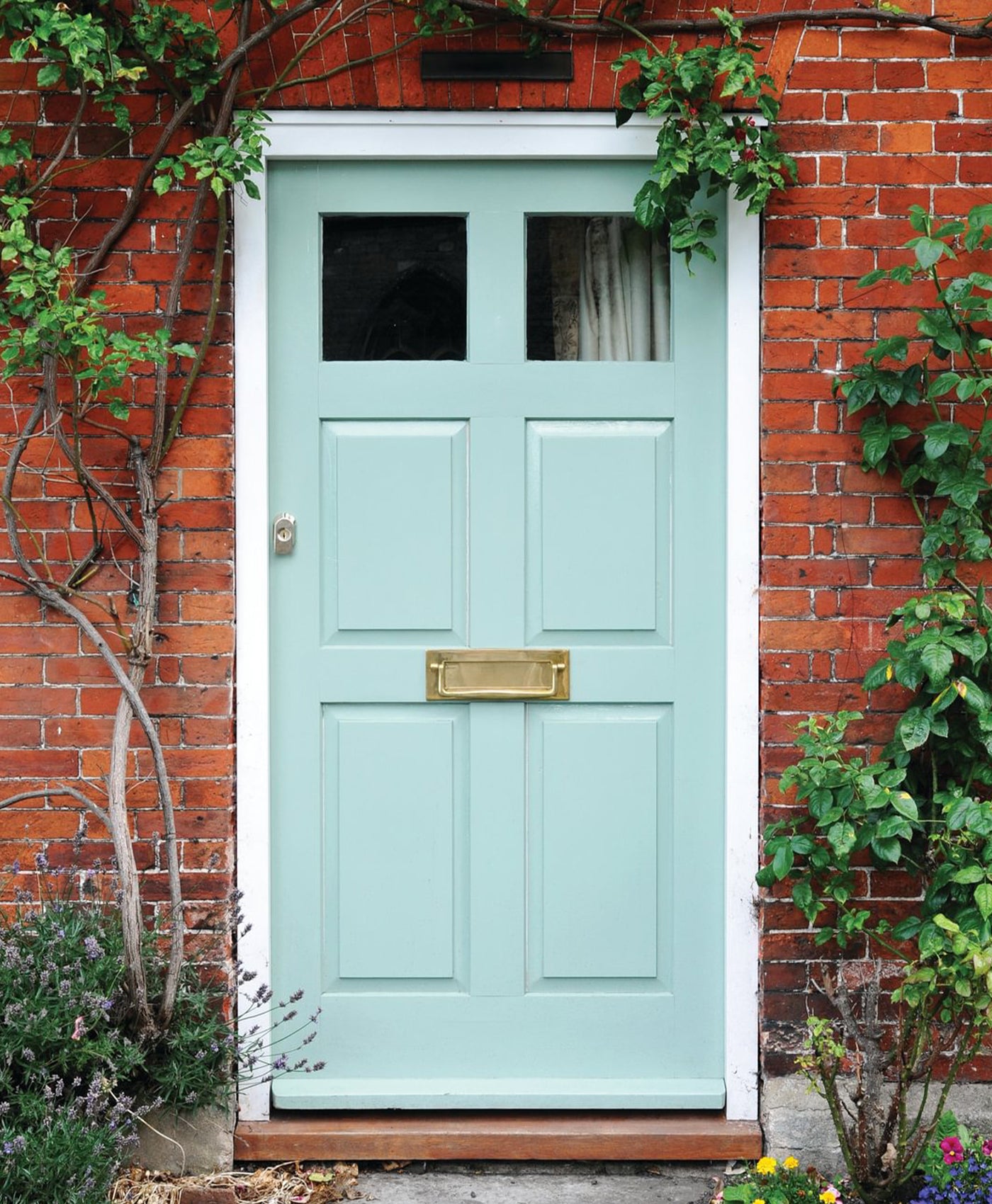
A Satin finish is perfect for front doors, shutters and window frames.
GLOSS (80% SHEEN)
A Gloss finish is ideal for statement features and metal surfaces.
DEAD MATT( 5% SHEEN)
Ideal for low-contact areas like cladding.
3. Weather Conditions
Weather is an critical factor when it comes to how your paint performs. Aim for a dry day with mild temperatures. Avoid painting in direct scorching sun, strong wind, or when rain is expected.
Ideally you want conditions that allow the paint to dry slowly and evenly for the best results.

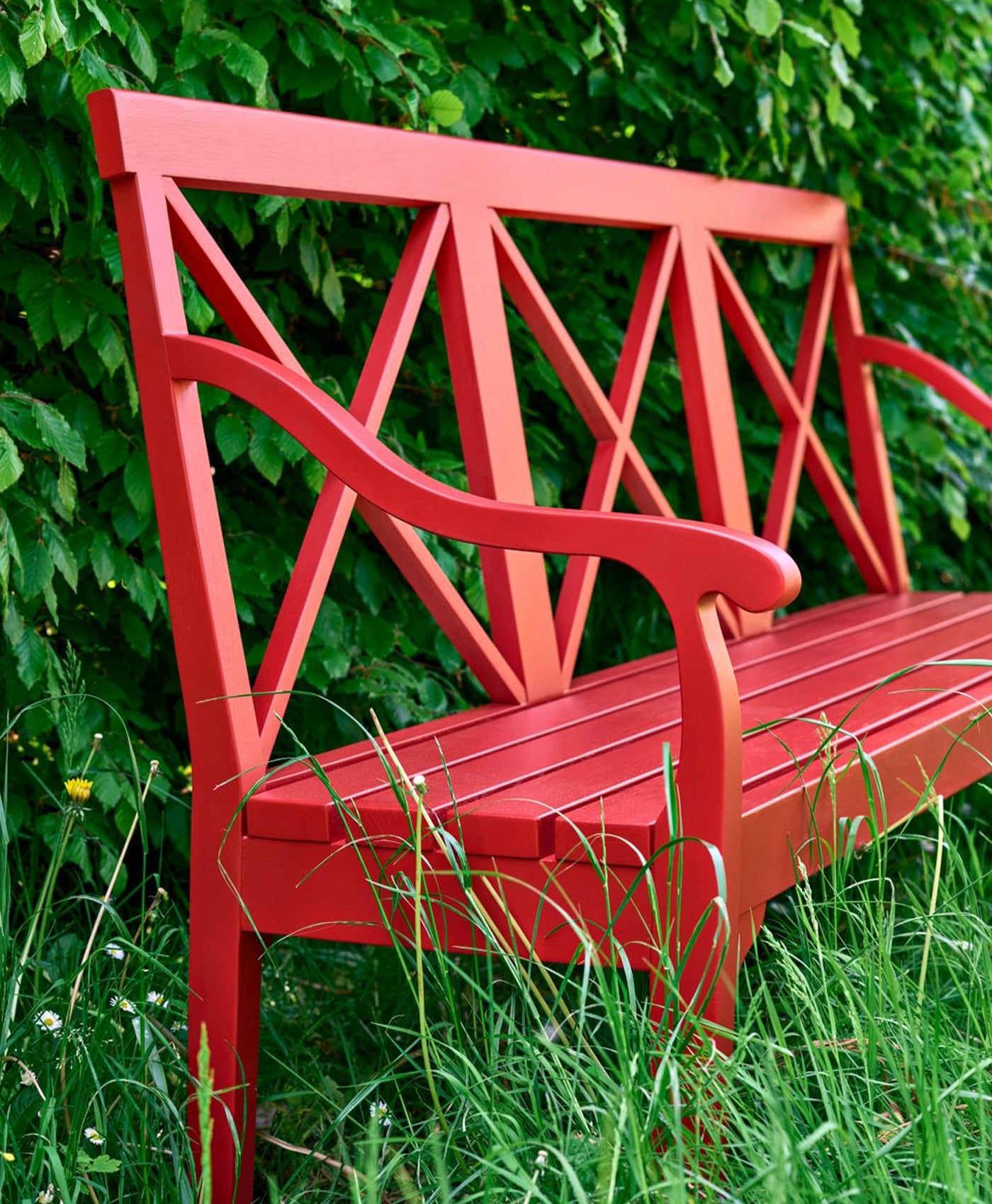
Bench in Blomster JB.01
4. Choosing the Right Tools
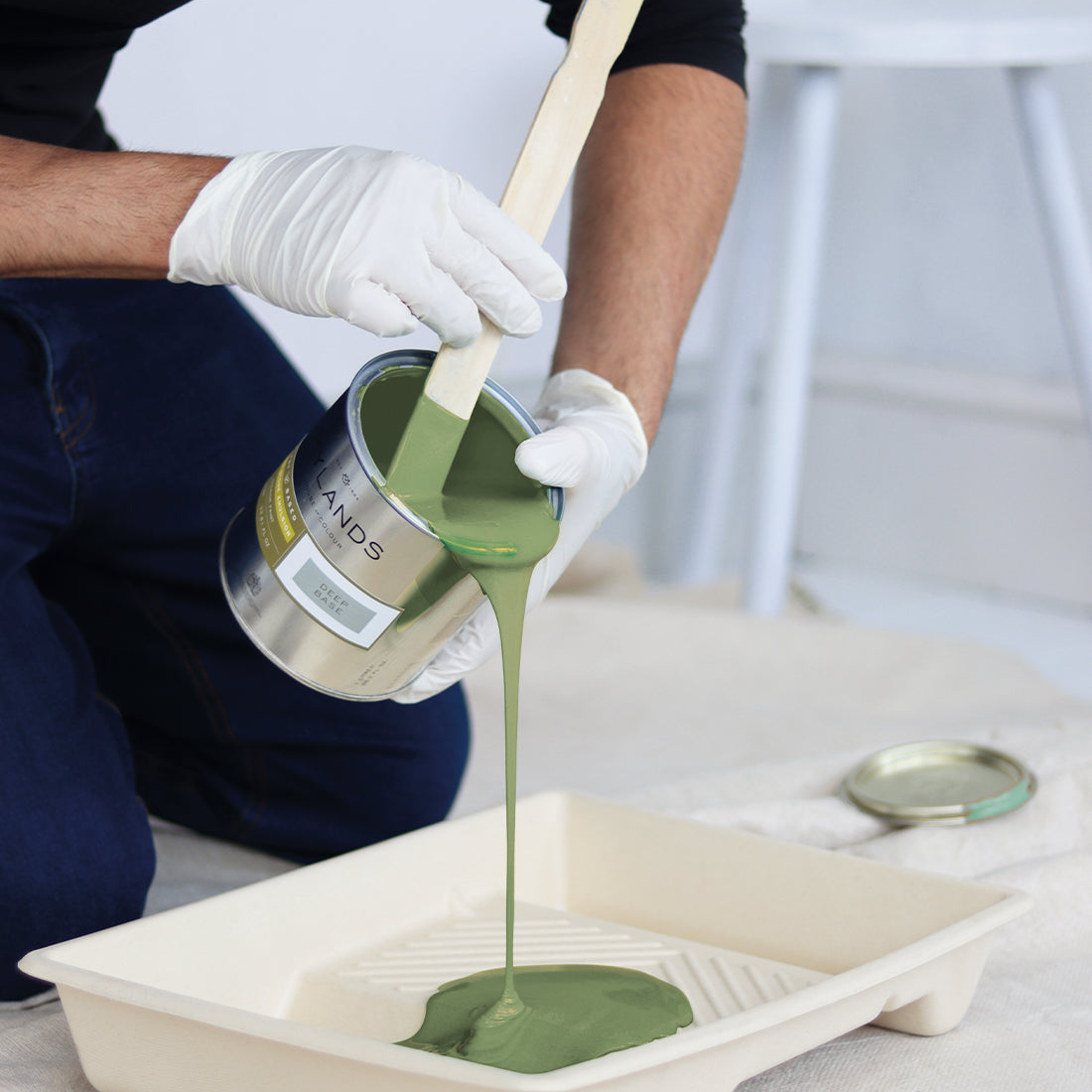
Using high quality brushes or rollers suited to your surface can make a noticeable difference. For smoother finishes, opt for a fine brush or a foam roller; for textured areas, a thicker roller may be more effective.
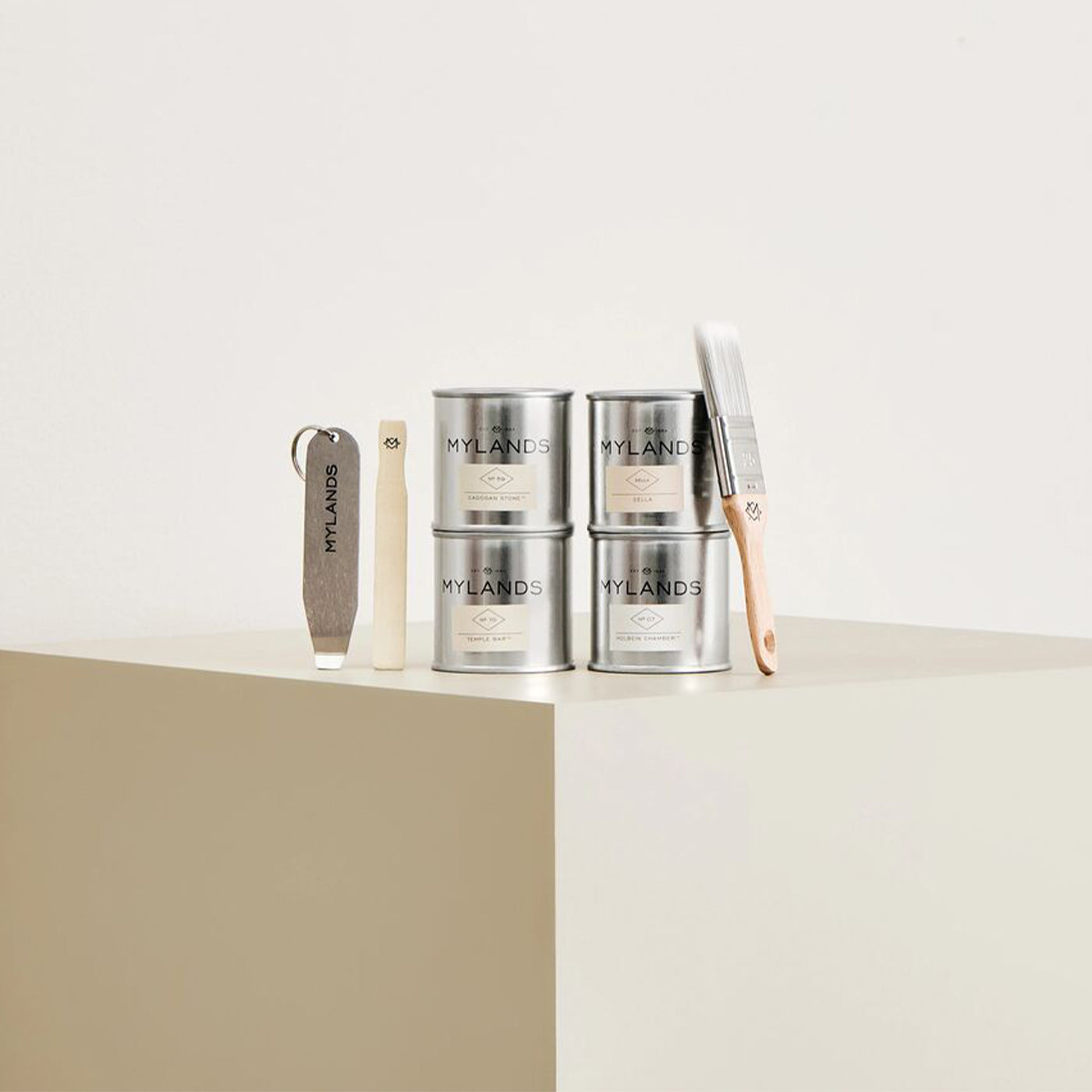
The right tools not only improve the finish but also make the job quicker and easier. Discover our range of high quality tools.
5. Apply thin, even coats
It can be tempting to apply a thick coat to get the job done faster, but multiple thin layers will always give a better, more durable finish. Allow each coat to fry fully before applying the next. This builds up strength and ensures a consistent look across the surface.

Gate/Fencing in Pure White™No.1
6. Protect and Maintain
Once your project is complete, a little ongoing care goes a long way. Make sure to keep your surfaces clean and check periodically for any signs of wear, especially in harsh weather. Touching up small areas early will help maintain the freshly painted look for longer.
Our Conclusion:
Overall, with the right preparation, tools and technique, your exterior painting projects can be both rewarding and long lasting. Follow these simple tips, and your will achieve a beautiful, durable finish that stands up to the elements.